
Treat the cause of the pain, not just the pain
Minimally invasive techniques used to both diagnose and treat painful conditions — with as little reliance on medication as possible.
Two goals, not one
The first is to relieve, reduce or manage the pain and improve your overall quality of life, using minimally invasive techniques that find the cause rather than mask it.
The second matters just as much: getting you back to your daily activities quickly, with limited reliance on medication.
Schedule an appointment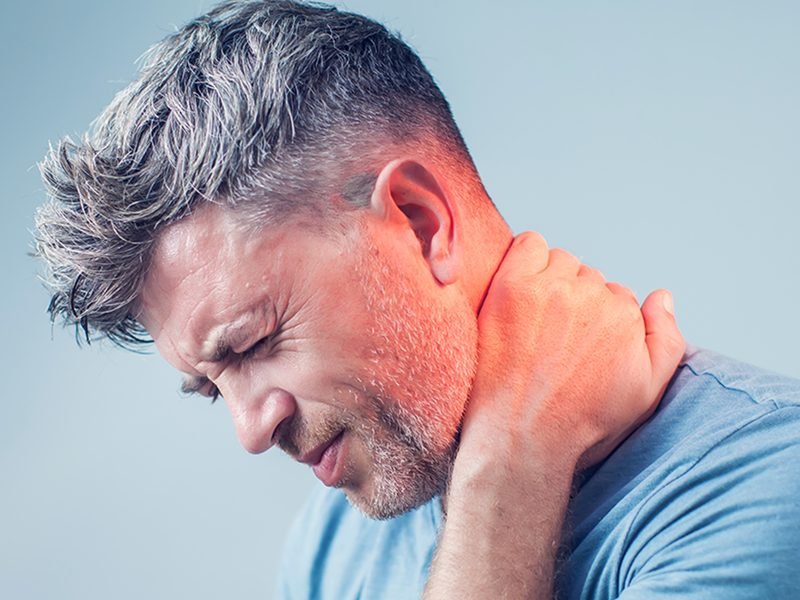
Conditions treated
Low back pain
Ongoing pain in the lower back, whether or not it followed an injury.
Sciatica
Nerve pain running from the lower back down through the leg.
Neck pain
Persistent neck pain and the stiffness and headaches that come with it.
Whiplash
Neck and upper-back injury after a motor vehicle accident.
Headaches
Headaches arising from the neck and upper spine.
Herniated discs
Disc injury pressing on the nerves of the spine.
Spinal stenosis
Narrowing of the spinal canal and the nerve pain it causes.
Where it fits
Pain management sits between conservative care and surgery. For some patients it resolves the problem; for others it makes the difference between coping and functioning while a longer treatment plan runs its course.
- Diagnostic as well as therapeutic — it helps locate the source
- Minimally invasive, usually same-day
- Coordinated with your orthopedic or surgical plan
- Aimed at reducing medication, not increasing it
Need injury care?
Call or click today to schedule an appointment with the right specialist.